
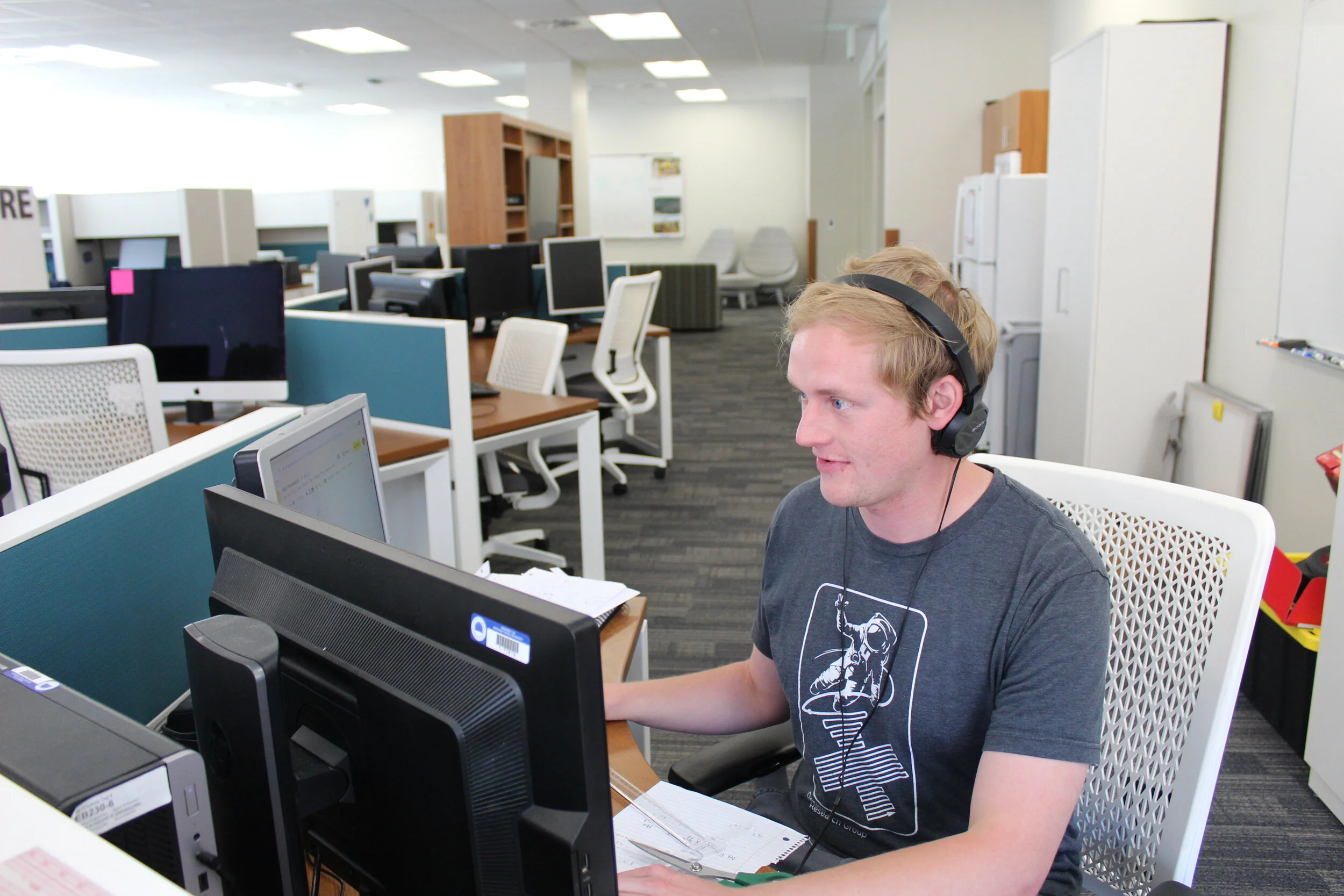
Our research group is focused on the theories and processes of engineering design. We create new methods, discover new principles, and apply those methods and principles to test cases where we design and test products.
Our areas of design research span from complex systems design to engineering for poverty alleviation and global development. One might ask: What do these have in common? Though on very different ends of the application spectrum, in each case pursuing a solution means design engineers have to struggle with needs-gathering, system decomposition, performance modeling, and constraint management.

These two particular examples, complex systems design and engineering for global development, represent two extremes, where the engineering design process is not trivial and highly susceptible to failure. The principles that can be gained by working in these extremes often translate well to general non-extreme design scenarios.
Our lab is currently organized into three subgroups:

Engineering For Global Health (EGH)
Engineering for Global Health is DesX’s primary mission-aligned technical domain and a major source of new engineering design methodology. EGH focuses on human-centered, technology-based medical and health interventions that improve the well-being of individuals, households, and communities worldwide. It provides DesX with a consequential context in which design methods can be applied, tested, refined, and demonstrated.

Sustainable Impact Modeling (SIM)
Sustainable Impact Modeling develops computational and analytical methods for understanding, predicting, and evaluating the multidimensional impacts of engineered products and systems. Its current emphasis is social impact, while its broader scope allows future work in economic, environmental, and other dimensions of sustainable impact. SIM provides DesX with methods for making impact more visible, explicit, quantifiable, and usable in engineering decision making.
Strategic Systems Design (SSD)
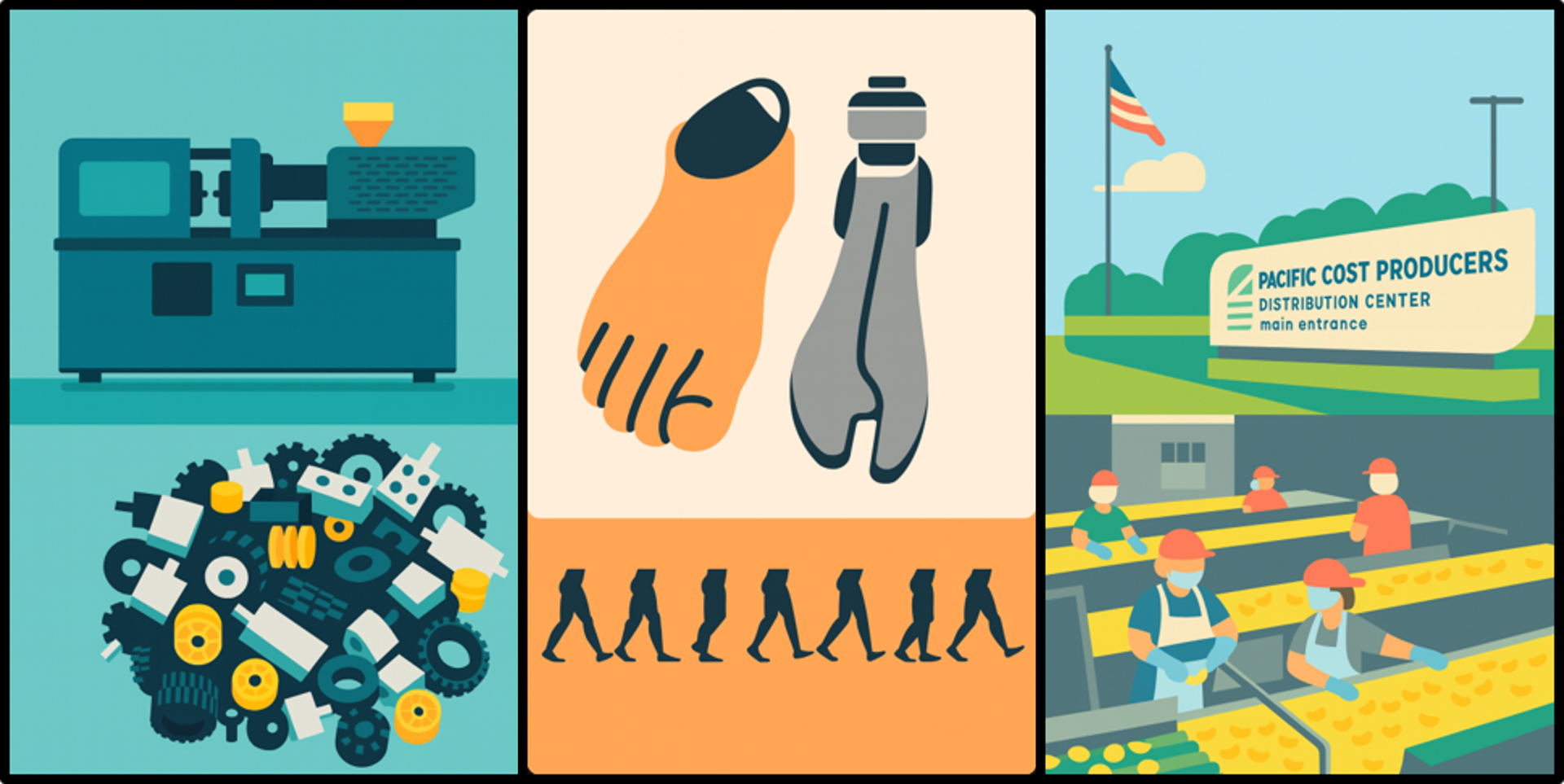
Strategic Systems Design develops principles, methods, and decision-support tools that help designers and stakeholders make defensible decisions at both the product architecture and system levels. SSD connects naturally to EGH and SIM because every global development or global health intervention operates within a complex socio-technical system. At the product architecture level, SSD helps identify where major gains in cost, adaptability, reliability, maintainability, and scalability are most likely to occur. At the system level, SSD supports the complex decisions required to design, deploy, sustain, and evaluate technologies in real contexts.
In this way, SIM and SITT can help make impact pathways visible, while SSD helps turn those insights into defensible design and implementation decisions. Together, EGH, SIM, and SSD give DesX a coherent research structure. EGH grounds DesX methods in consequential technical and humanitarian contexts. SIM helps DesX understand and model multidimensional impact and make impact pathways visible. SSD helps DesX translate technical opportunities and modeled impacts into product-architecture and system-level decisions that can improve cost, adaptability, reliability, maintainability, scalability, and long-term implementation. The strength of the DesX research program comes from the interaction of these three areas, not from treating them as separate lines of work.