
Des X Impact
The Design Exploration Research group started in 2006, when we began developing design exploration tools that assist designers in making product and system decisions that optimize their benefit to humanity. Our projects range from multi-scale, multi-disciplinary, design and optimization of consumer products that are difficult to reverse engineer, to the design of adaptable income-generating products for the developing world. And our approaches range from computational and numerical to subjective and qualitative.
Since that time we have worked with collaborators and communities in the USA, the United Kingdom, Brazil, India, Peru, Rwanda, Uganda, Tanzania, Spain, China. We played a fundamental role in the development of the Village Drill and the ongoing impact assessments of it. The Village Drill is now in more than 40 countries, and has impacted millions of people.

We believe our findings have been impactful. In fact, the most downloaded paper for the ASME Journal of Mechanical Design in 2019 was from the Design Exploration Research Group. Various parts of the research findings have been recognized with patents, publications, and prestigious awards including a Presidential Award from Barack Obama.
Some of our work is shown below.
Portfolio
Village Drill
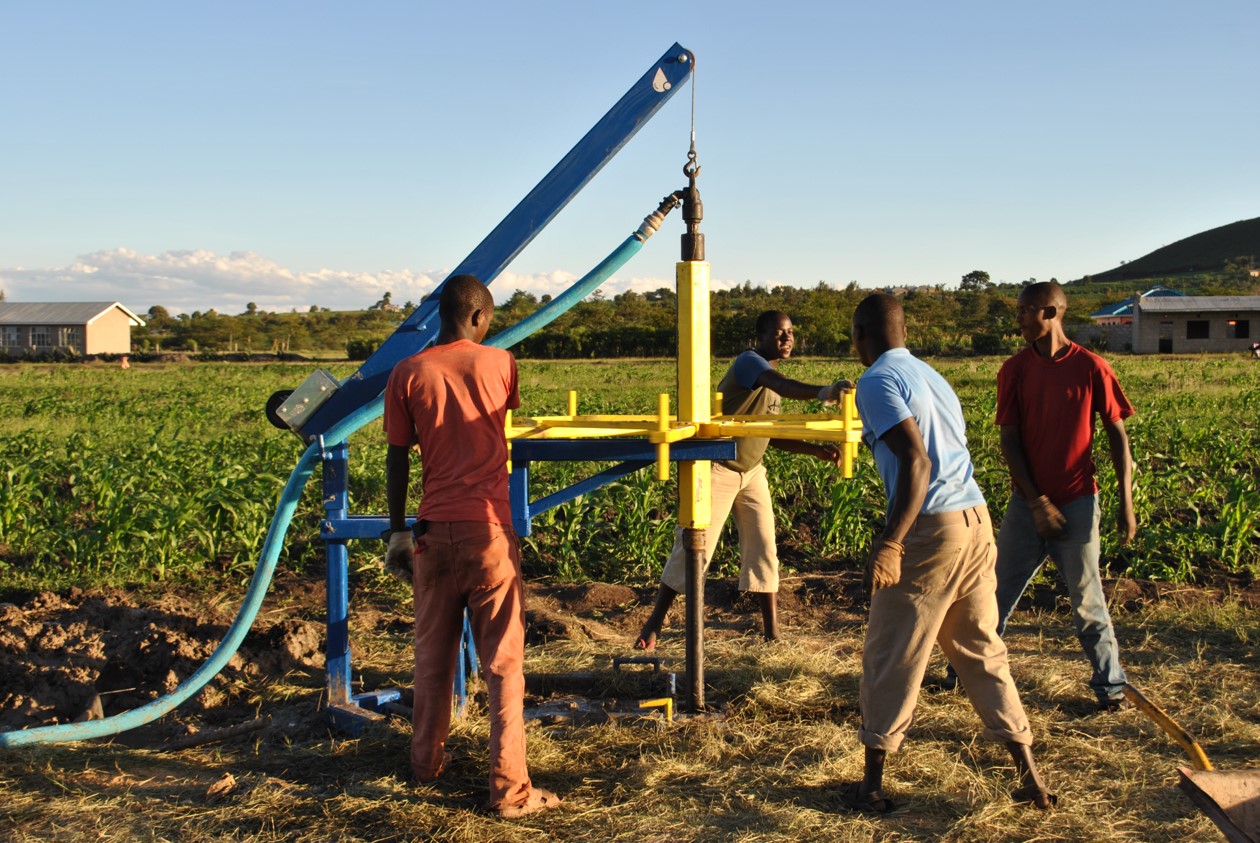
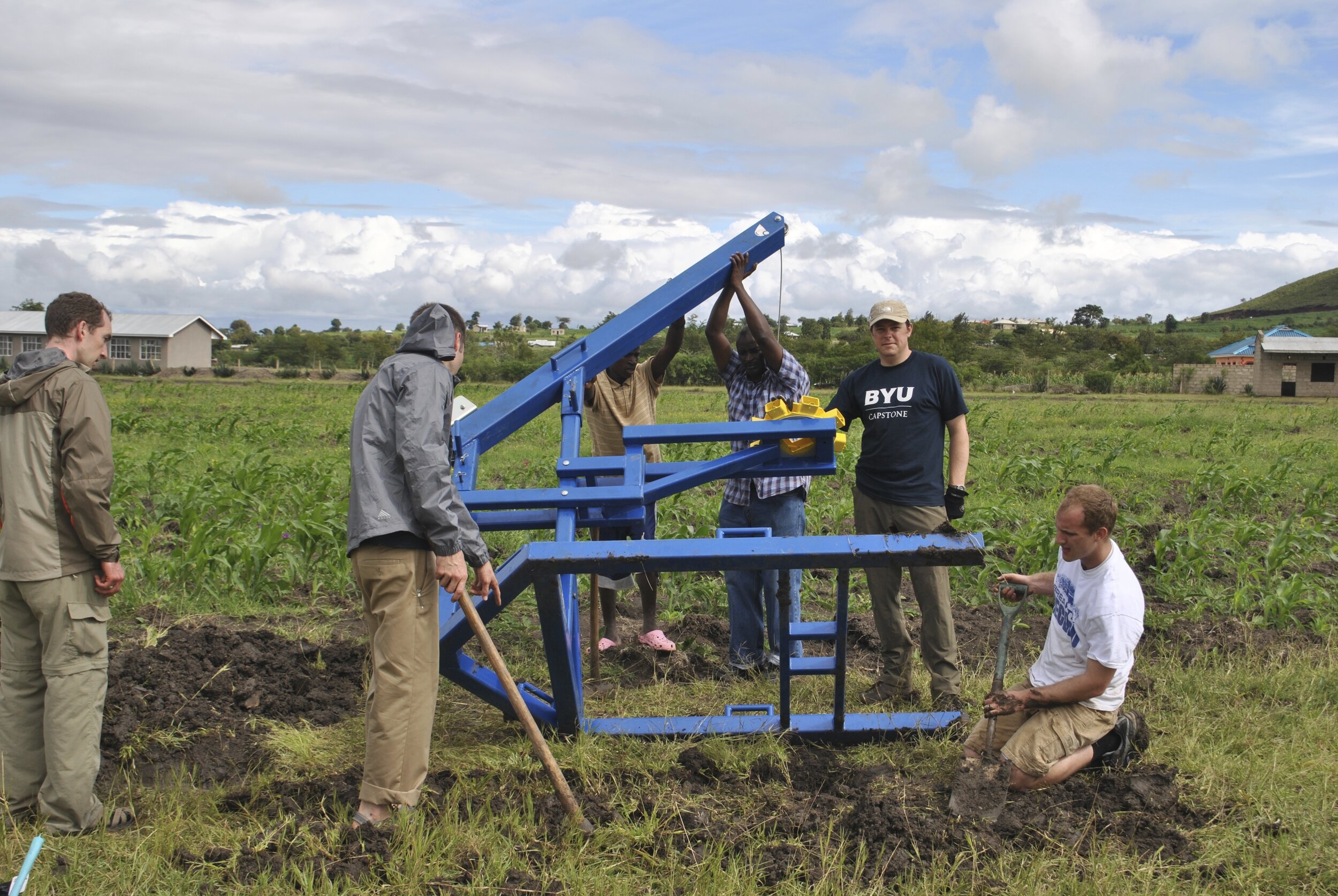
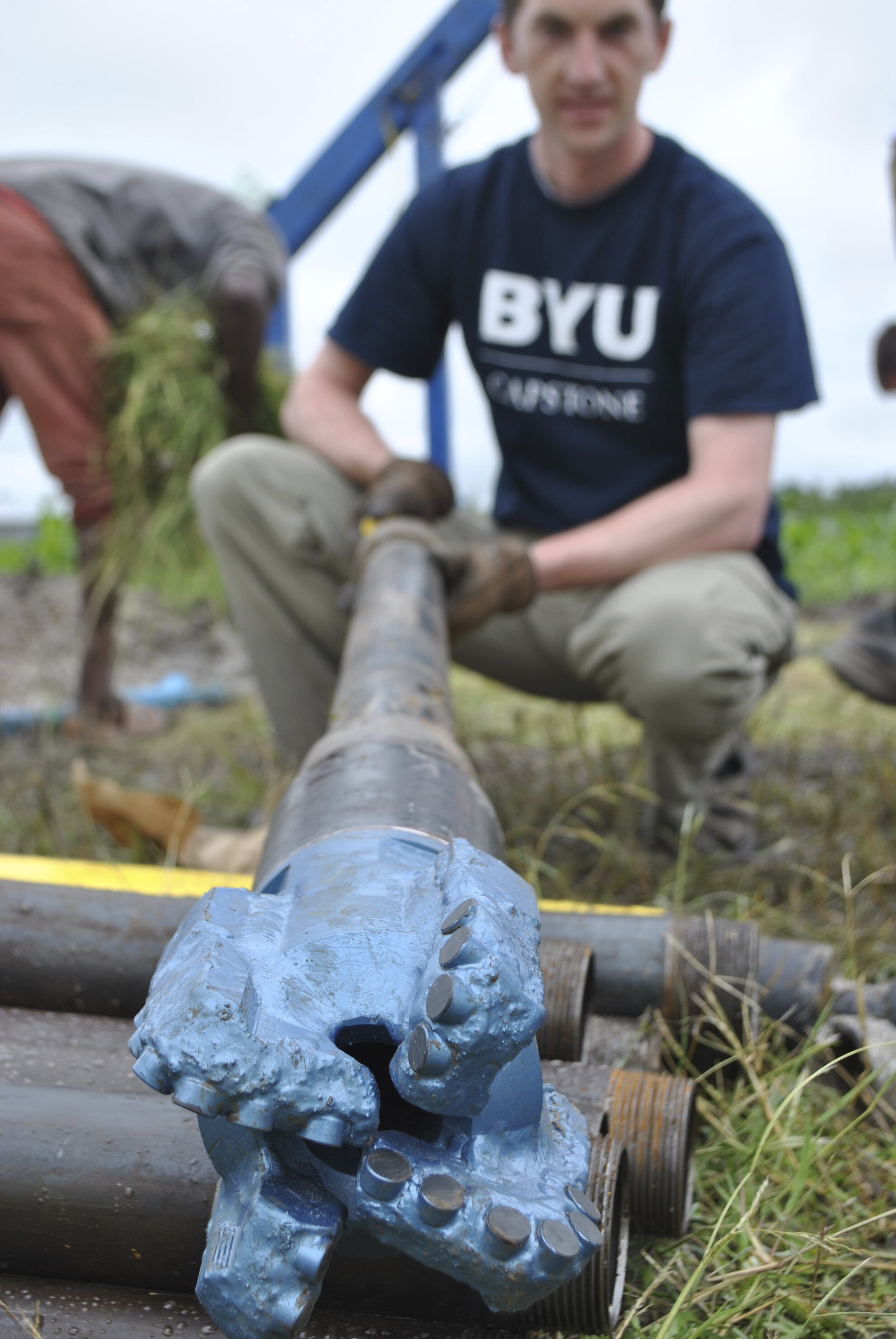
The village drill is a human-powered borehole drill capable of drilling to depths of over 75 ft. The drill, first built in 2011, has reached water in 33 countries to date, providing clean drinking water from more than 3,000 wells to over 2 million people. It has been a life-changing success in every way, making an impact across Africa, Latin America, Asia and beyond.
Smart Village Pump Sensor
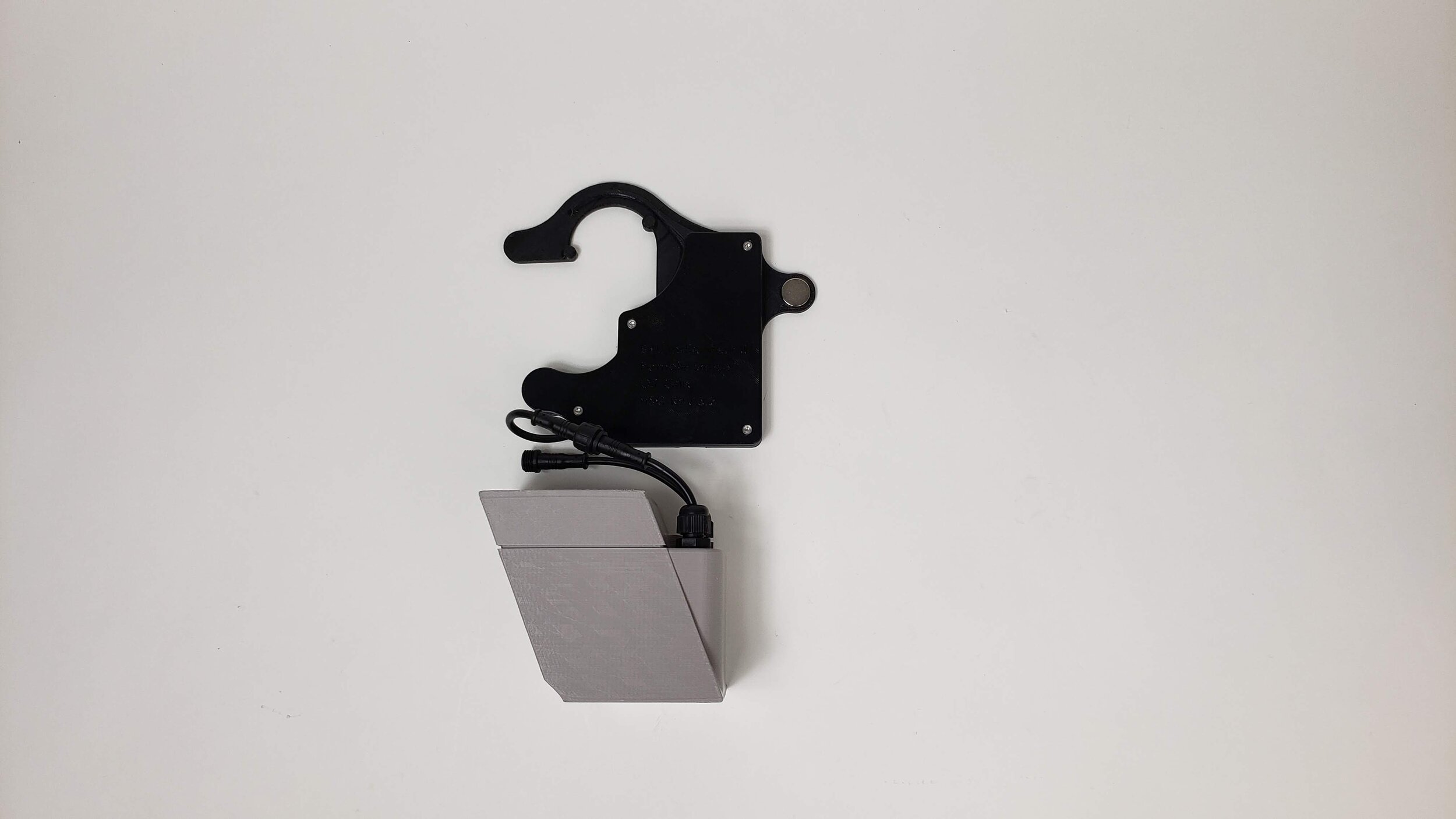
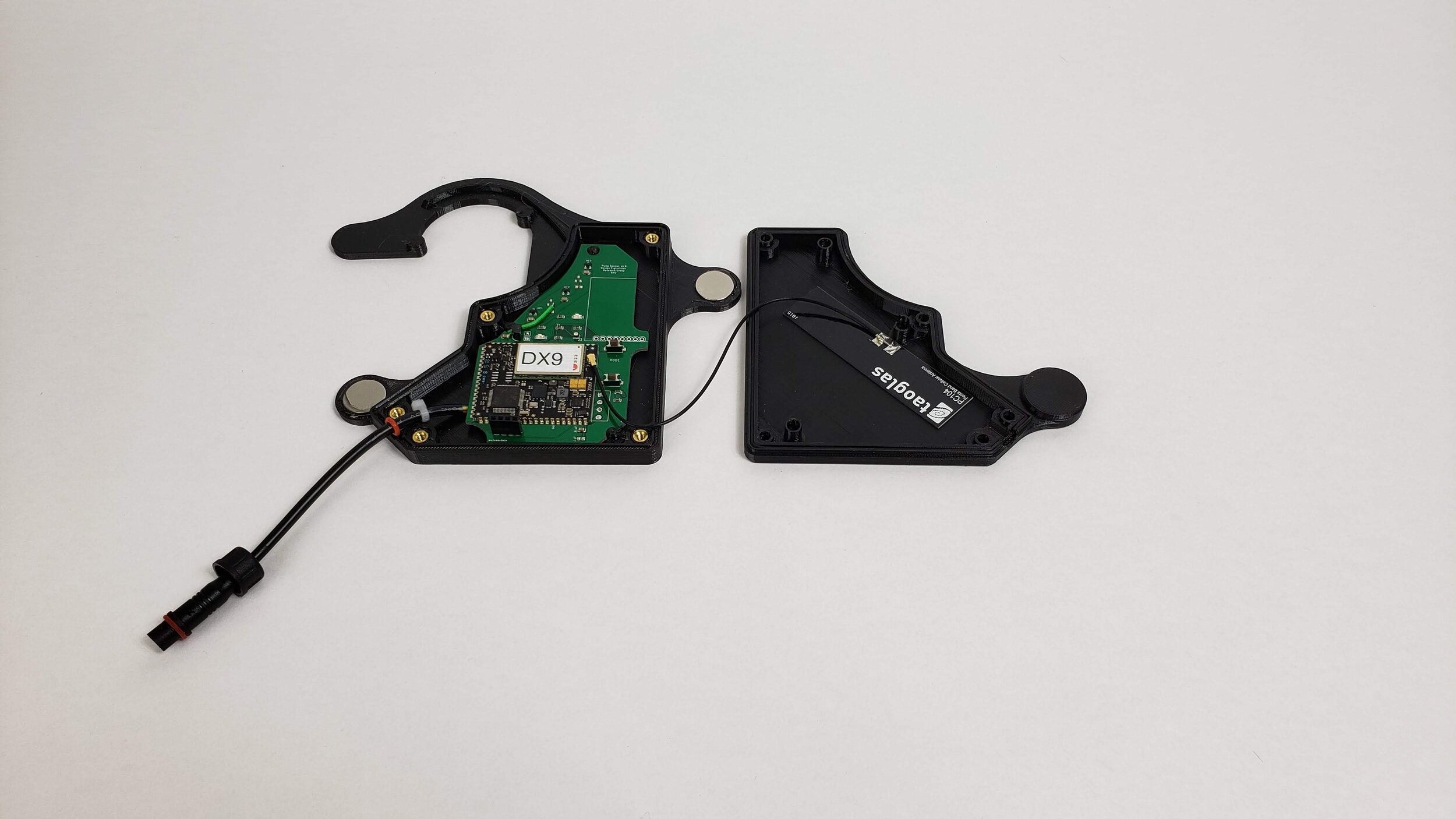
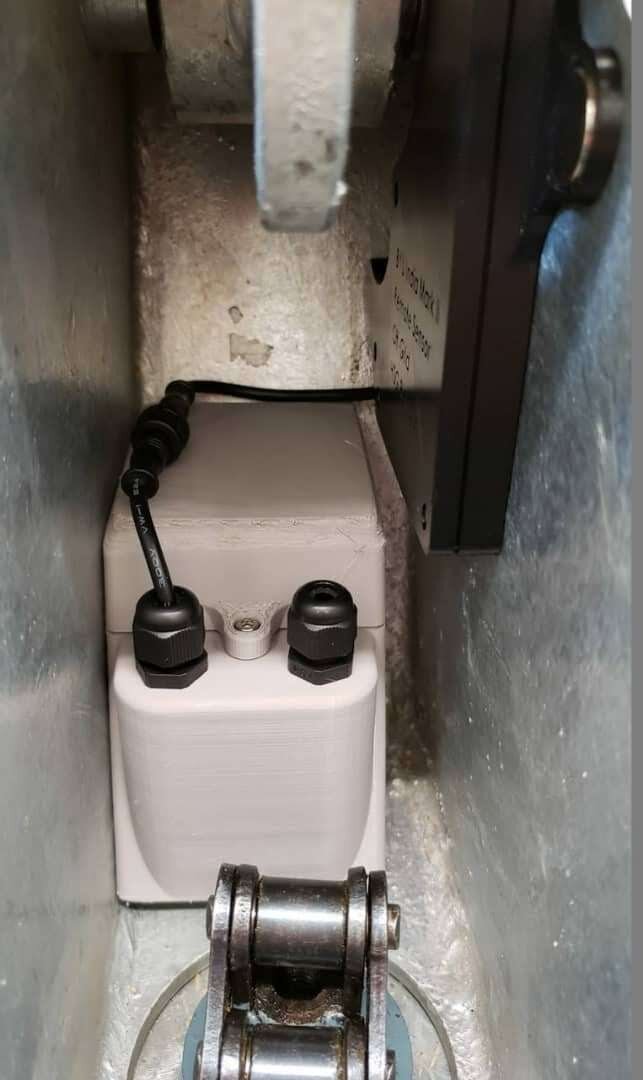
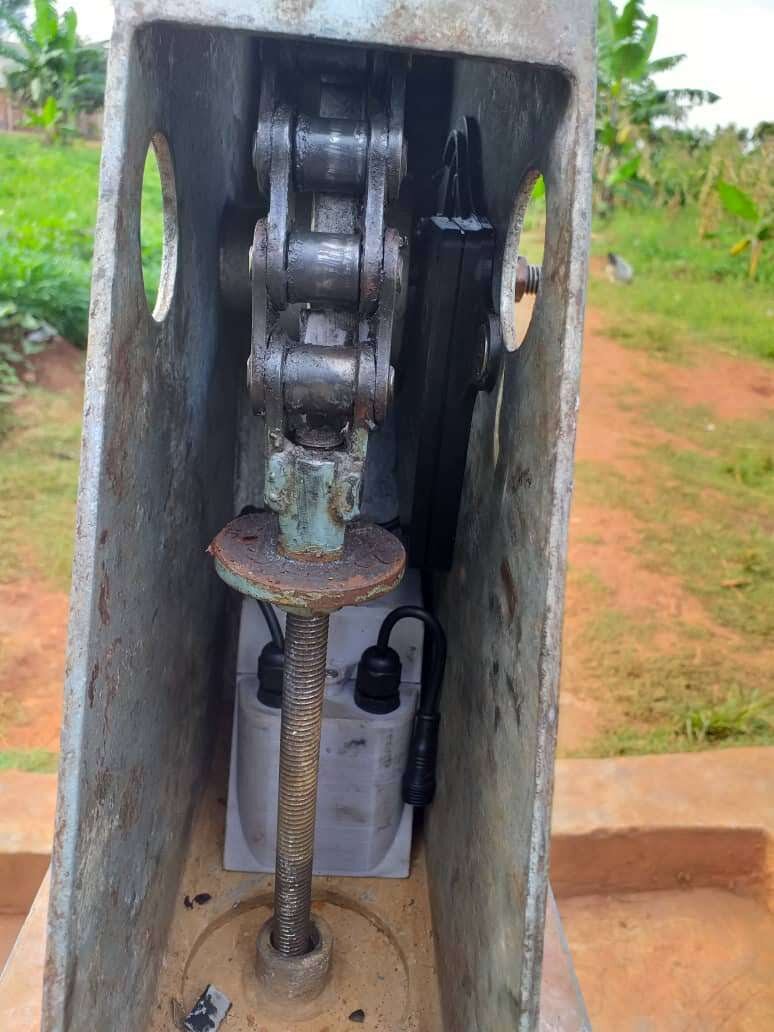
The Smart Village Pump Sensor is a device that remotely monitors and reports the usage of water hand pumps used in developing countries. It notifies interested parties when pumps break down so they can be repaired. It also measures metrics related to the social impact of the water hand pumps and displays them on an online dashboard to help identify and quantify the effect the hand pumps are having on the daily lives of individuals and communities. It transmits data via cellular networks and easily installs inside the pump housing which prevents vandalism or theft of the device.
Cocina Veloz
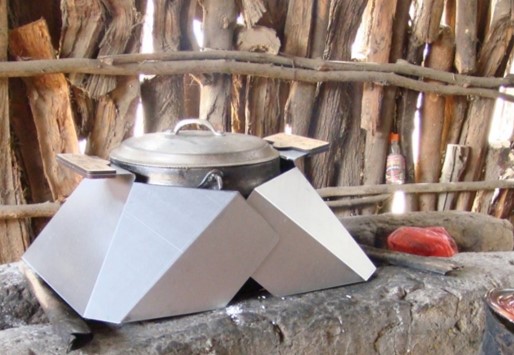
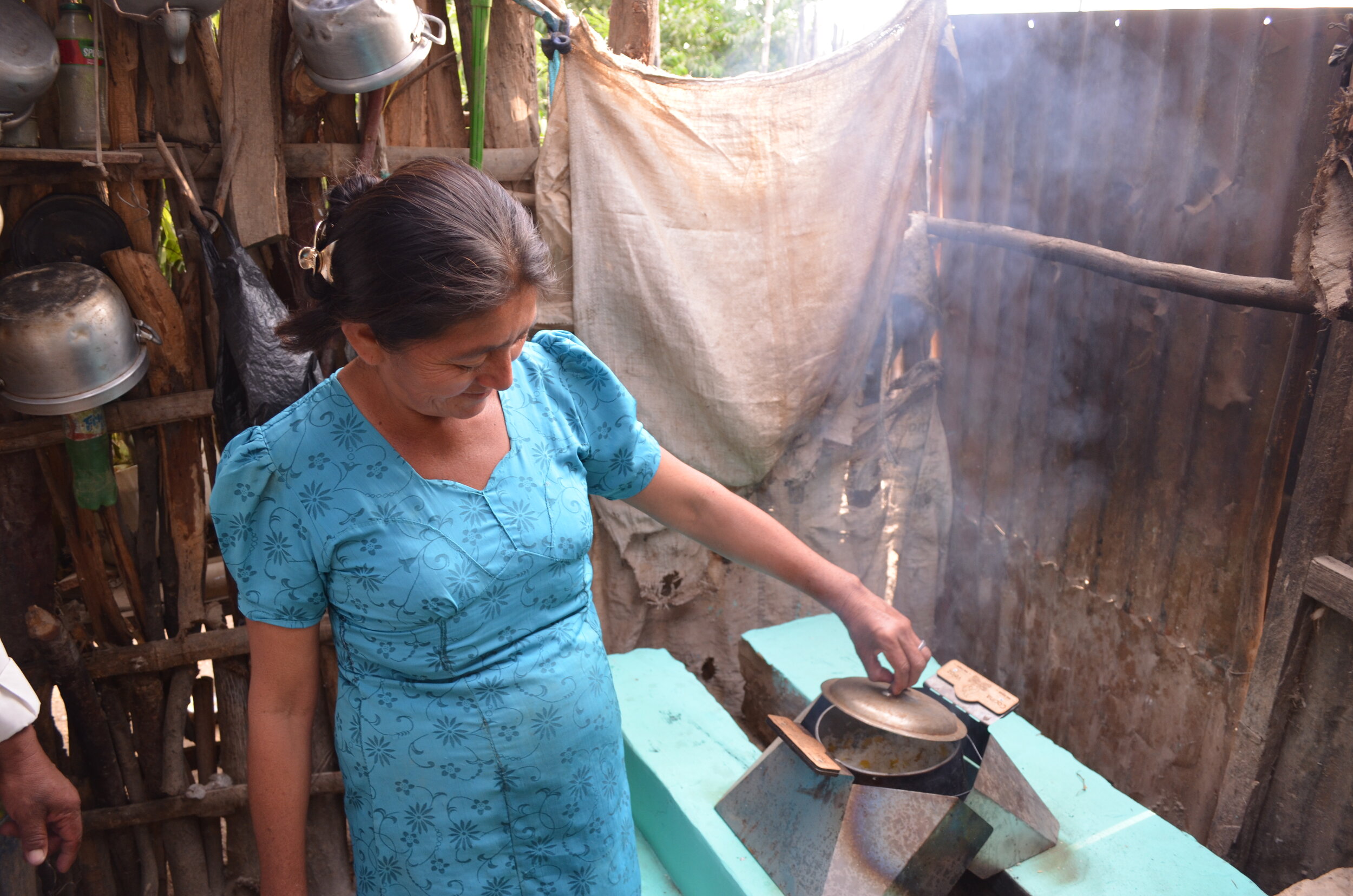
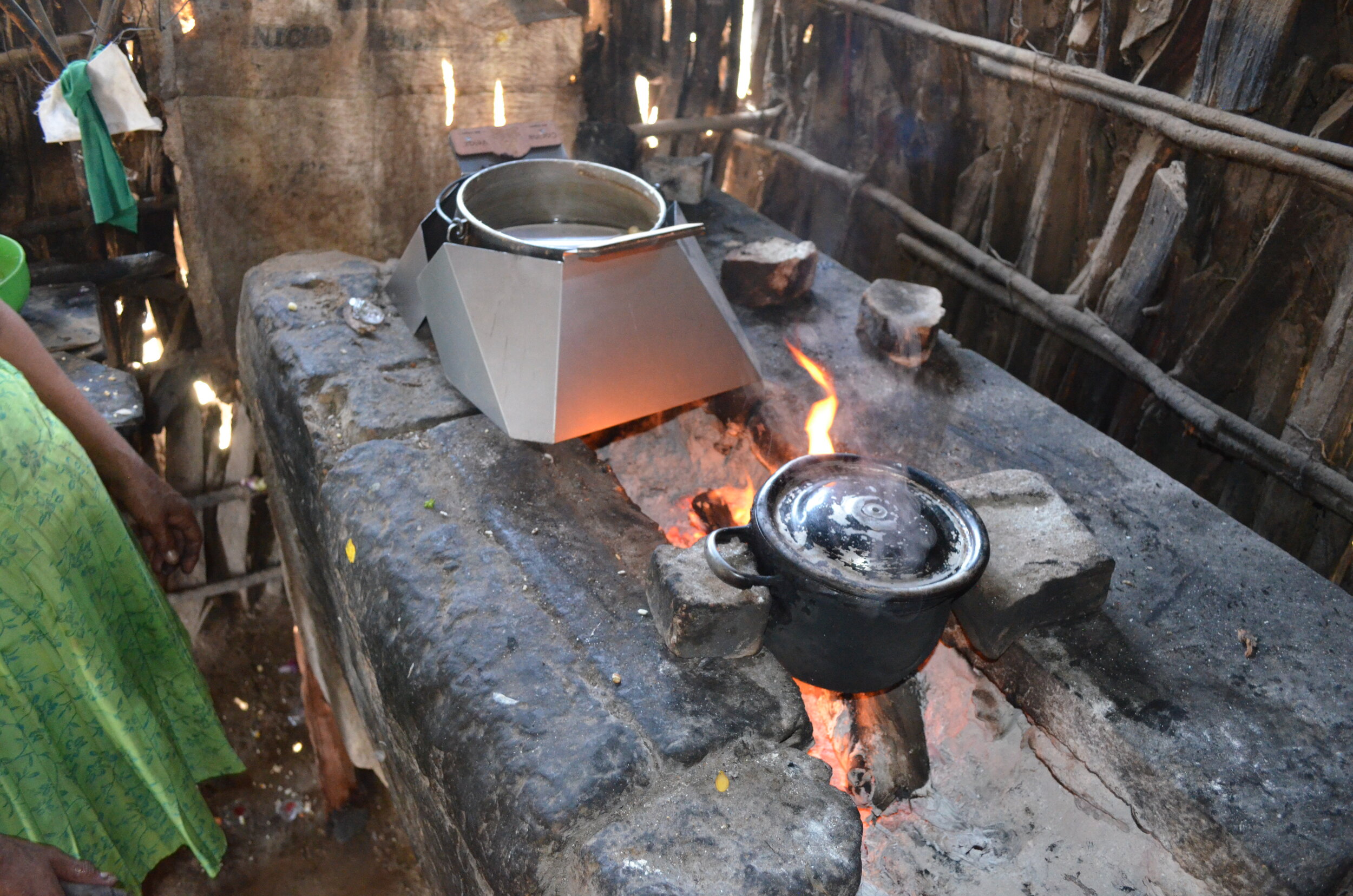
The Cocina Veloz is an adjustable exhaust flue that minimizes combustion and heat waste.
By design it is not as efficient as other improved cooking systems, but it is less disruptive to tradition and therefore has a greater overall impact due to higher predicted adoption. Reduces cook time by 30%, fuel by 26% and thermal efficiency is improved 36%.
WOrld Cart
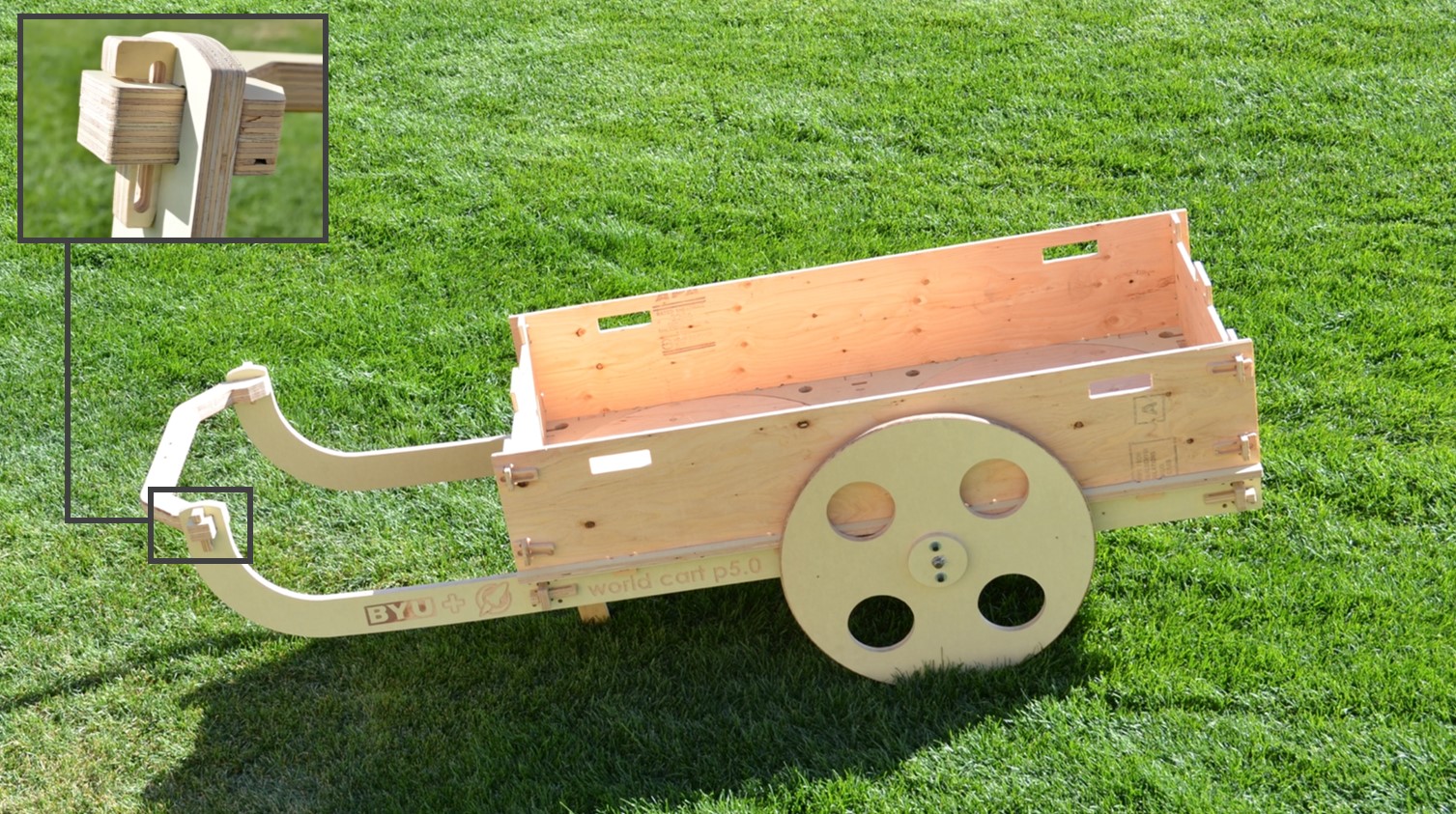
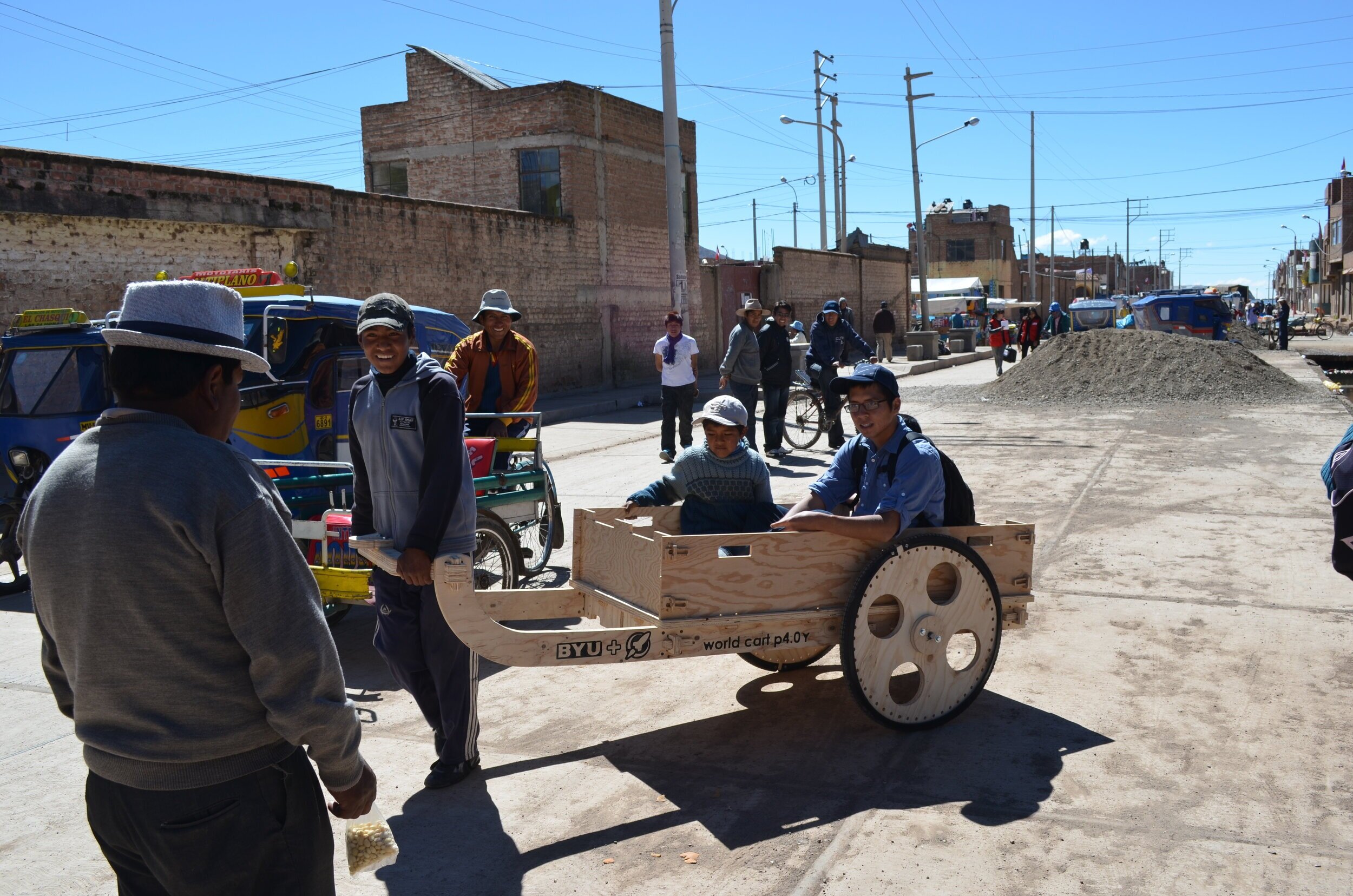
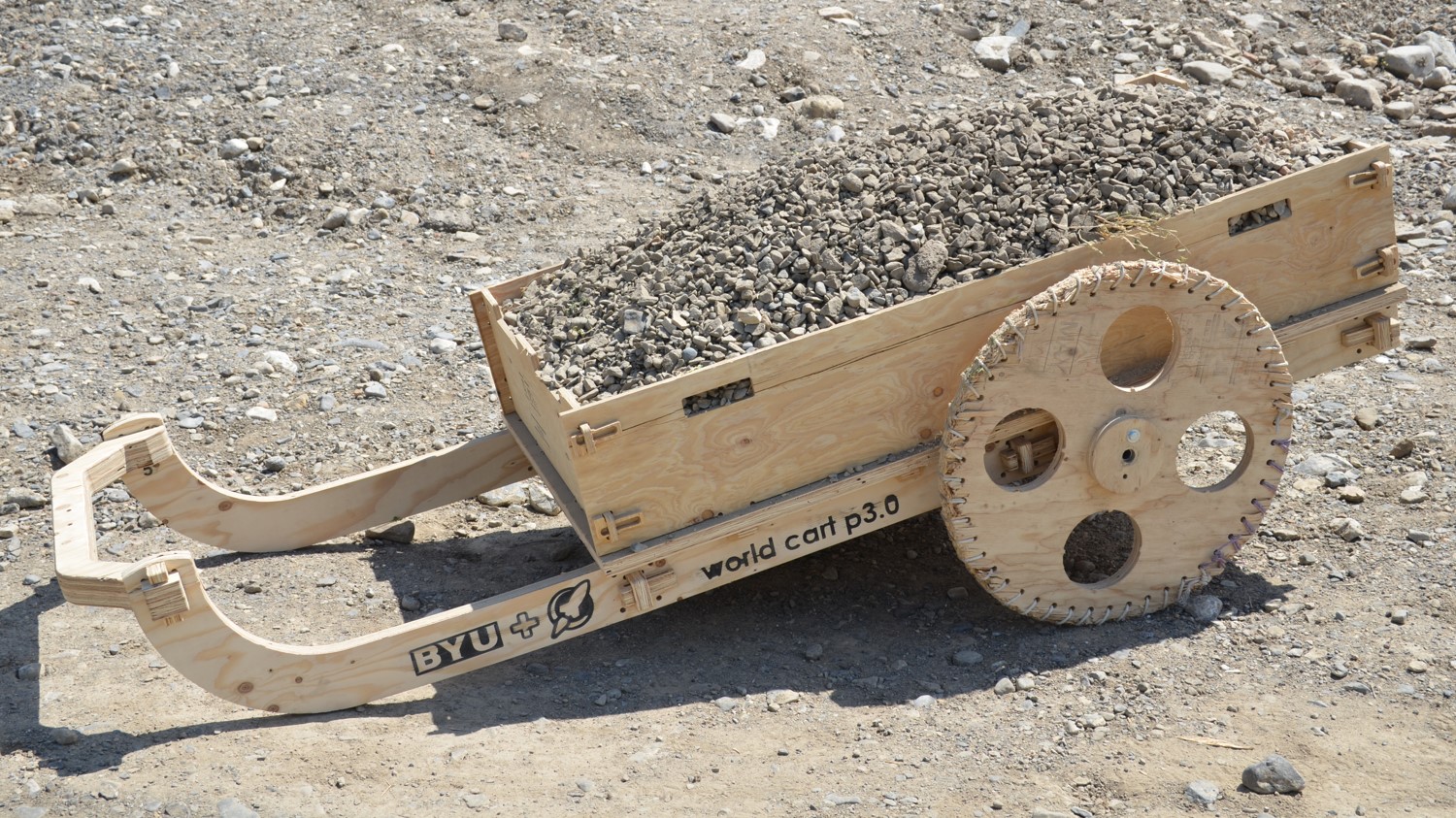
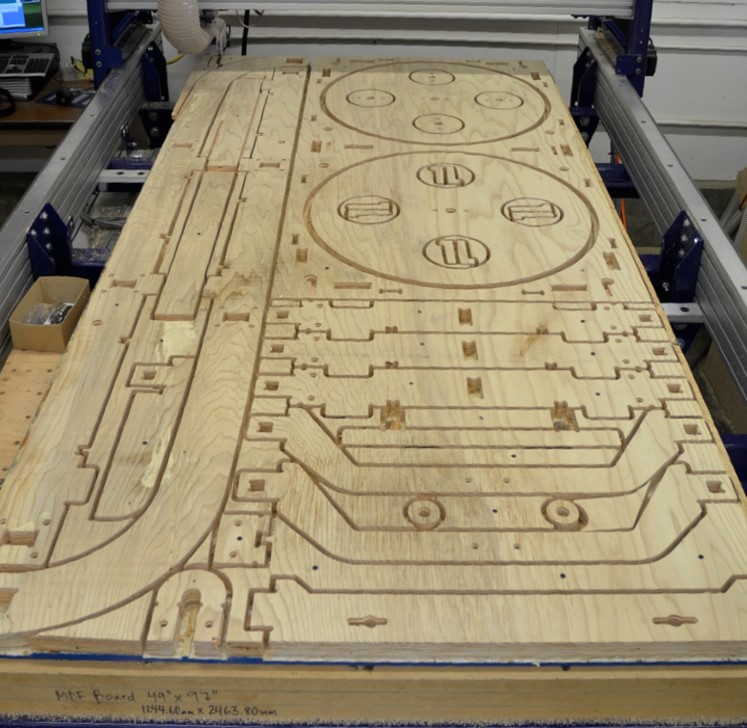
Designed to fill the market gap between robust metallic utility carts and homegrown carts made from salvaged parts. The world cart is extremely robust, yet low cost. It’s design is expandable, where the initial design can be cut completely from one 4x8 sheet of plywood. It has no fasteners outside the wheel hub and no glue.
Fold and Form Home
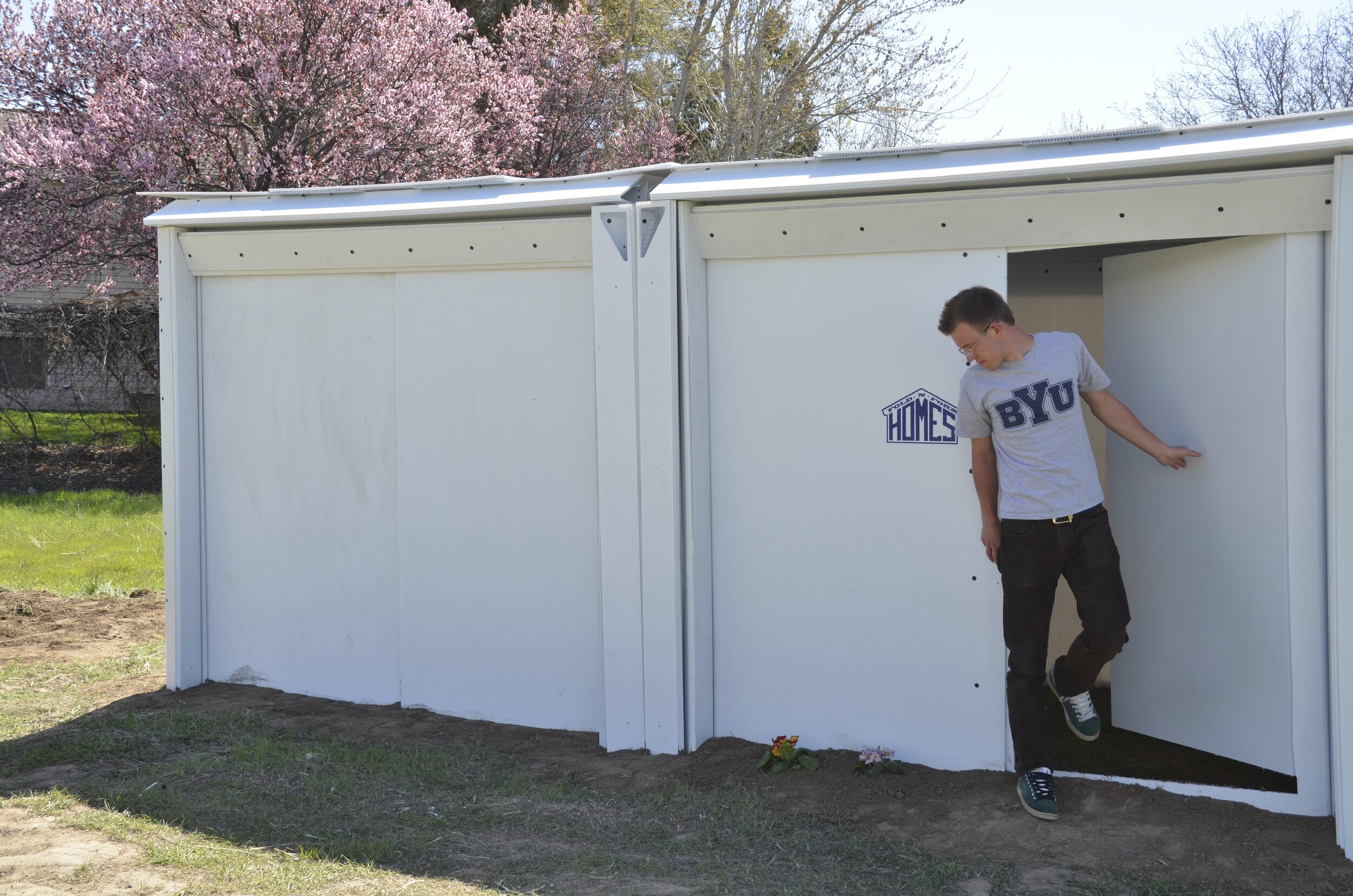
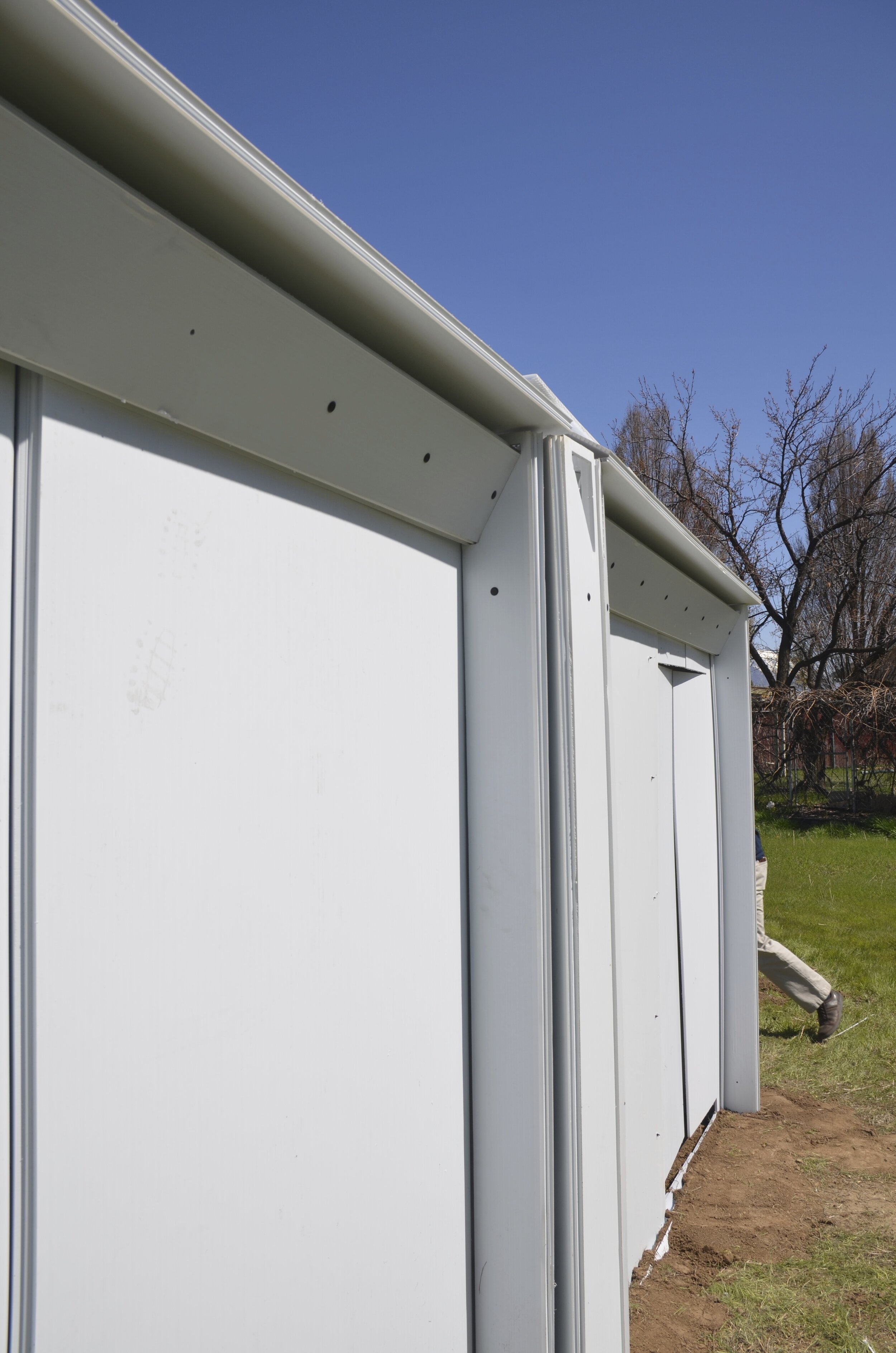
The UN estimates that there are a billion people in the world with inadequate housing. Our goal was to develop a low cost, durable, modular home built from corrugated polypropylene. There are only five unique parts to the fold and form home. It can be assembled in a single day and is weather resistant.

Grower Pump
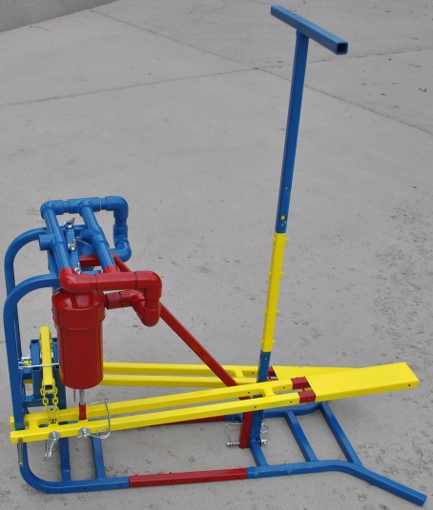
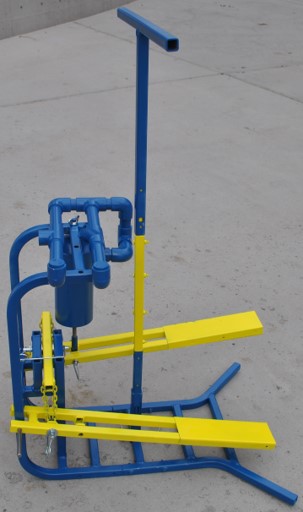
The low-cost basic pump is shown in the color blue and in its basic form on the left. An upgrade kit (yellow) increases the pump’s capacity. A second upgrade kit (red) causes the final system to be higher performing and lower cost that other irrigation pumps on the market. The next page compares popular pumps to the grower pump.
Pineapple Press
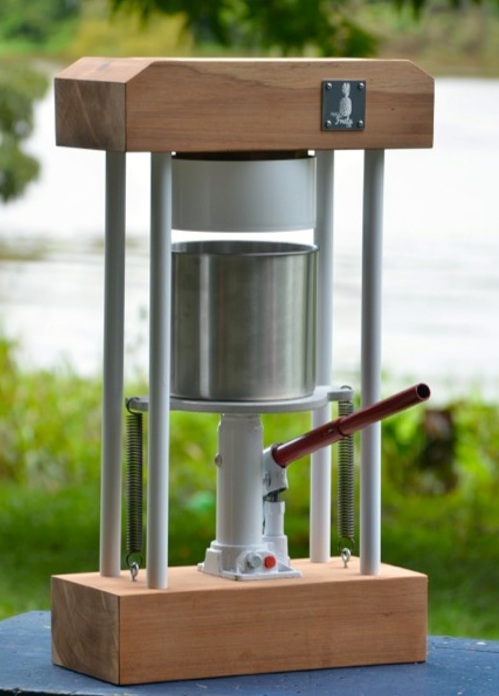
This pineapple press helps farmers in the Amazon region of Brazil to reduce wasted pineapples. Pineapples will often go bad because they are not sold quick enough. By utilizing a press, a farmer can make juice or pulp and then freeze it for selling at a later date.
The Farmer's Peeler
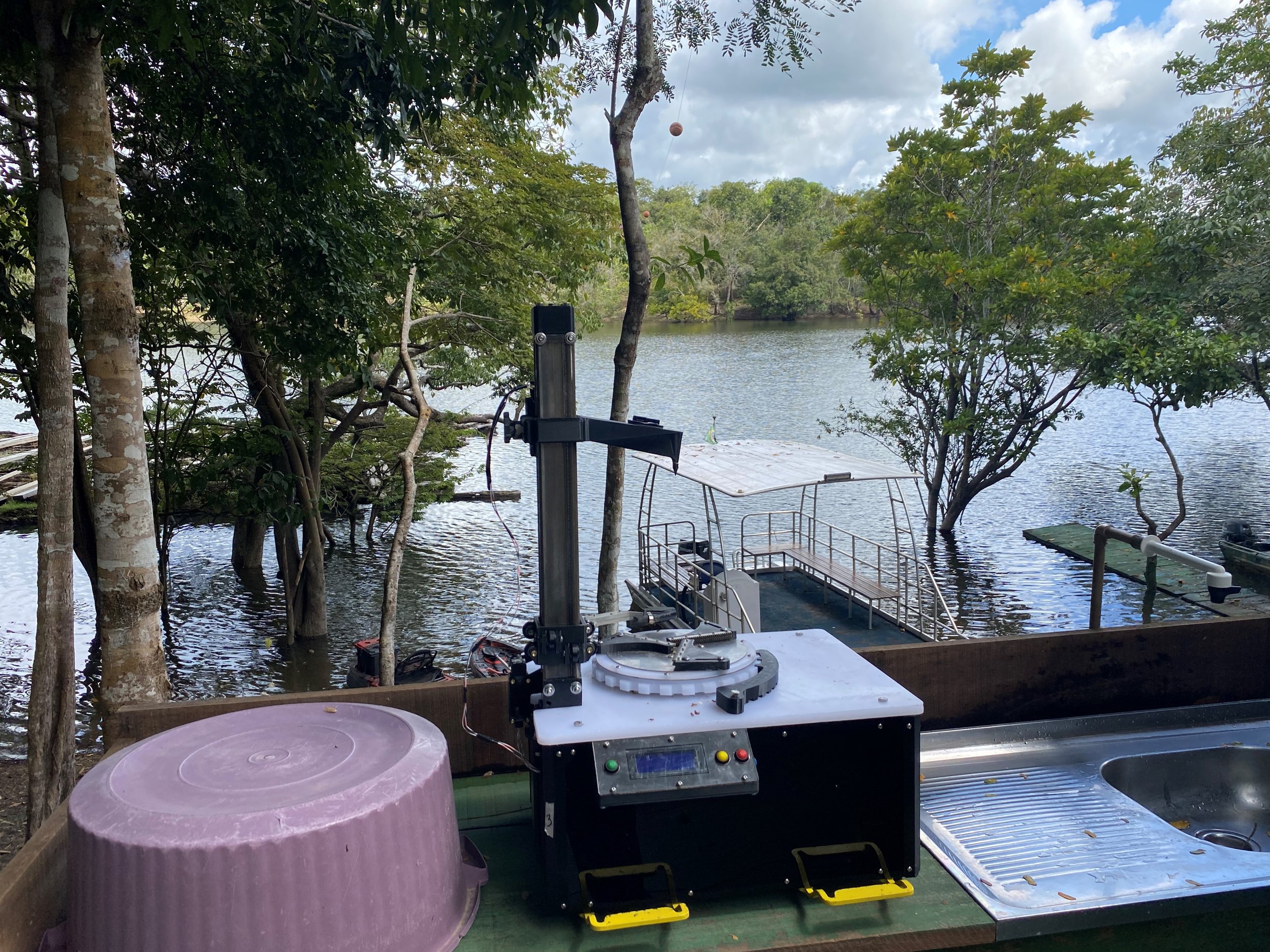
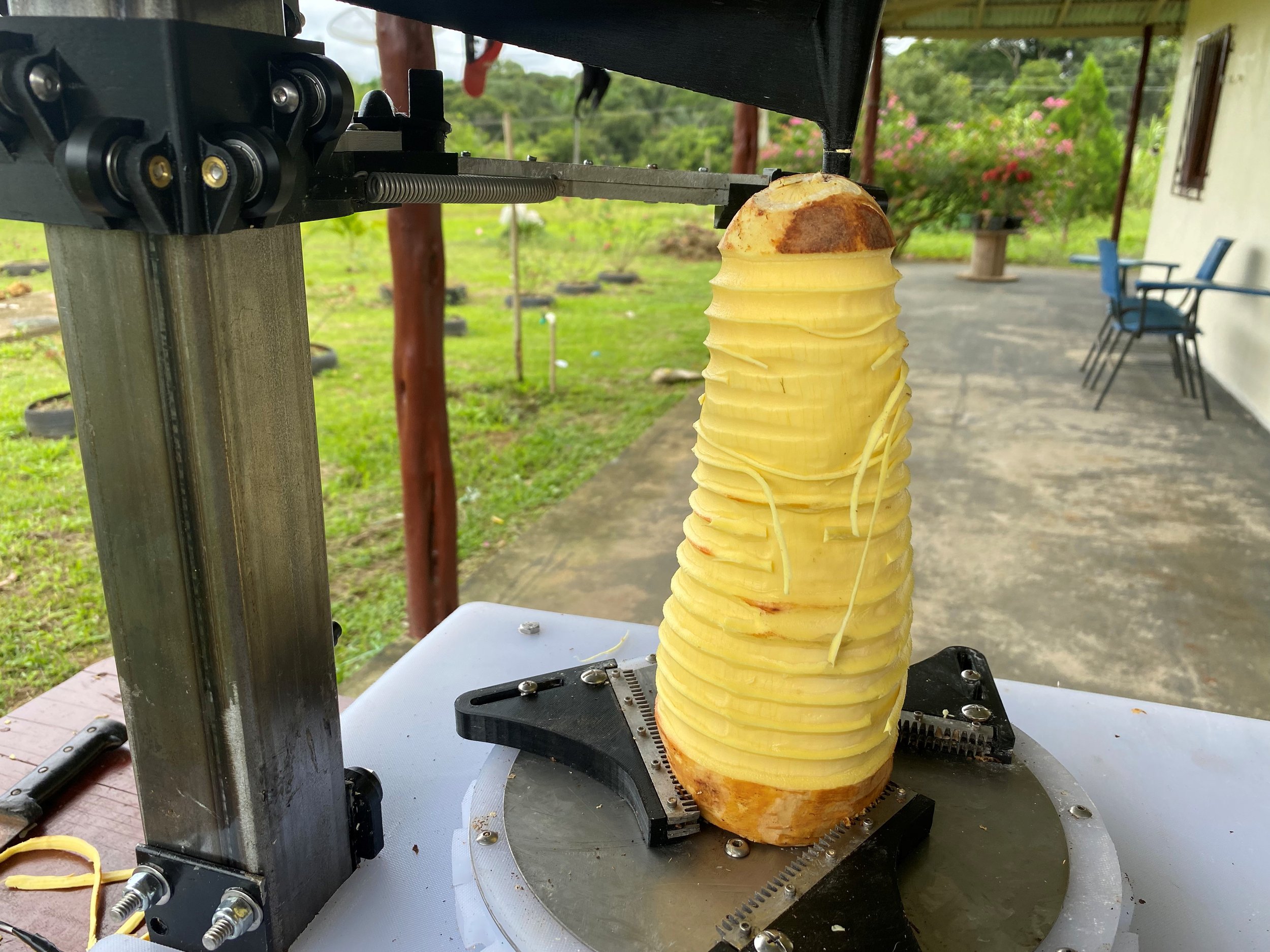
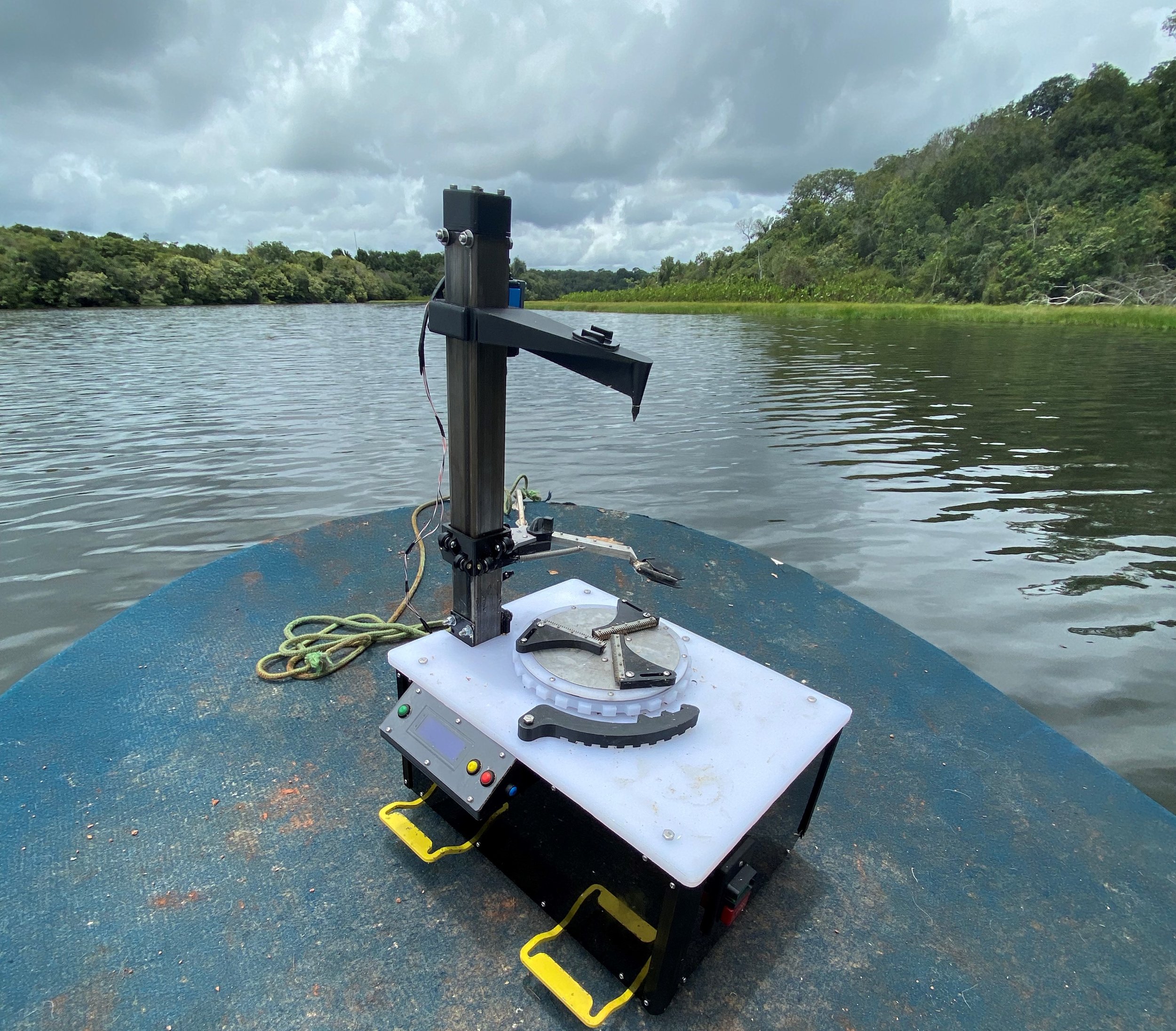
The Farmer's Peeler is a semi-automated cassava peeler designed for farmers in the Brazilian Amazon. The peeler was designed in partnership with farmers and locals from the Itacoatiara Rural Farming Cooperative to help cassava farmers increase their processing capacity and produce hygienic cassava products. The machine can peel a cassava in less than 20 seconds, and drastically improve the capacity of smallholder farmers in the Amazon.